Culture
Examine the unwritten rules people learn from everyday behavior.
A wellness policy cannot create trust by itself. Leaders create—or erode—that trust through what they model, tolerate, say, and do when someone admits they are struggling.
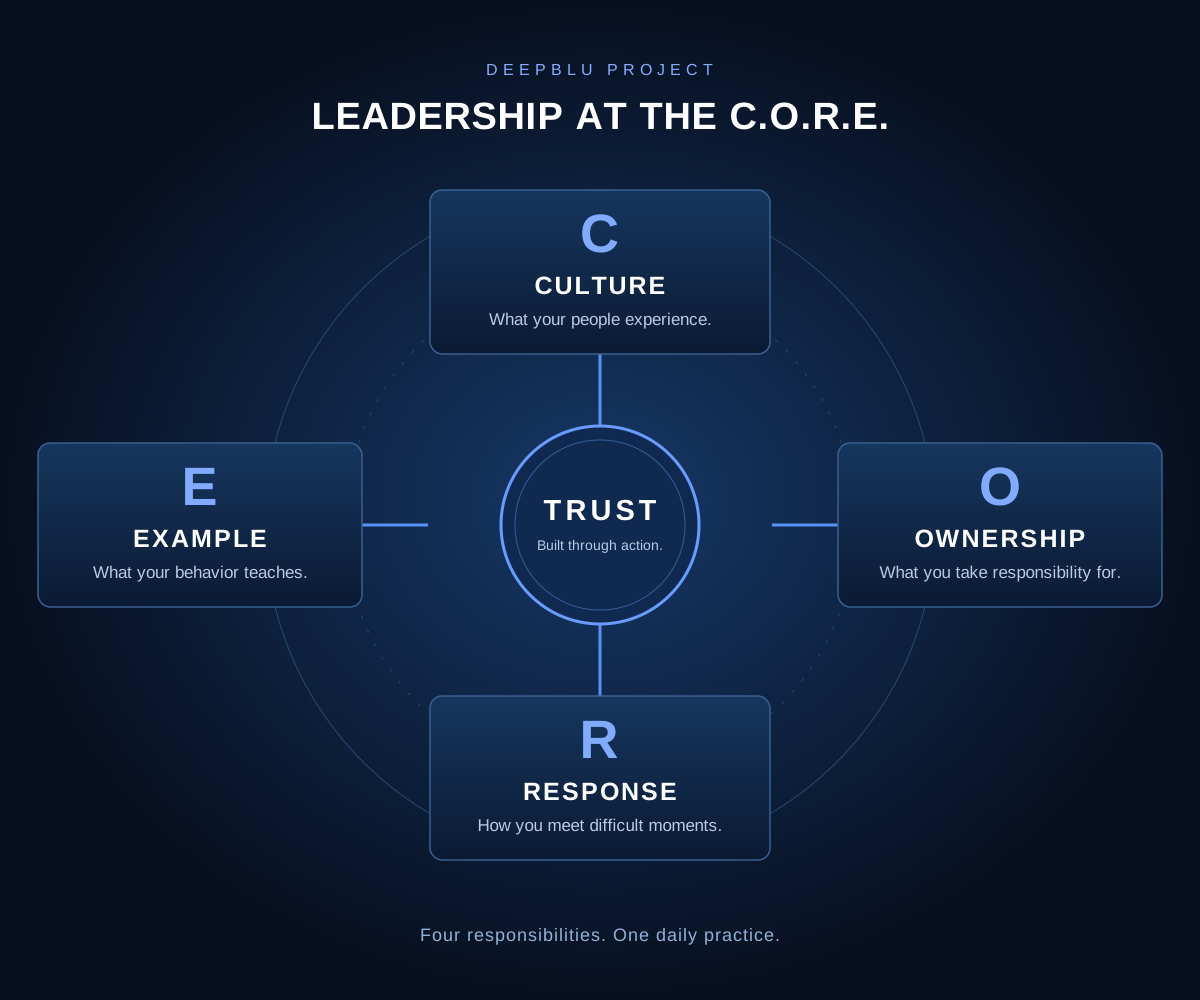
This program examines the gap between the resources an organization says are available and what responders believe will happen if they use them.
Examine the unwritten rules people learn from everyday behavior.
Accept responsibility for the conditions leaders create and sustain.
Build a credible response to warning signs, disclosures, and difficult moments.
Make leadership behavior consistent with the organization’s wellness message.
Chiefs, sheriffs, command staff, frontline supervisors, executive teams, human resources, wellness coordinators, and peer-support leadership.
Executive session, command workshop, supervisor development, conference breakout, facilitated leadership conversation, or agency-wide program.
What leaders model and tolerate, where confidentiality is unclear, how disclosures are handled, and whether policy matches daily practice.
A shared framework, practical questions, clearer leadership expectations, and concrete areas for organizational follow-through.
Send the agency size, audience, date, location, available time, and the organizational condition you need the program to address.