
C
Culture
What becomes normal because of the behavior we tolerate, reward, or challenge.
Why Authority Isn’t Enough
and Leadership Takes More
Having the authority to lead doesn’t mean you’re leading well. This book challenges leaders to examine what they allow, how they respond, and the example they set when no one is watching.
The purchase link will be added when the book is released.
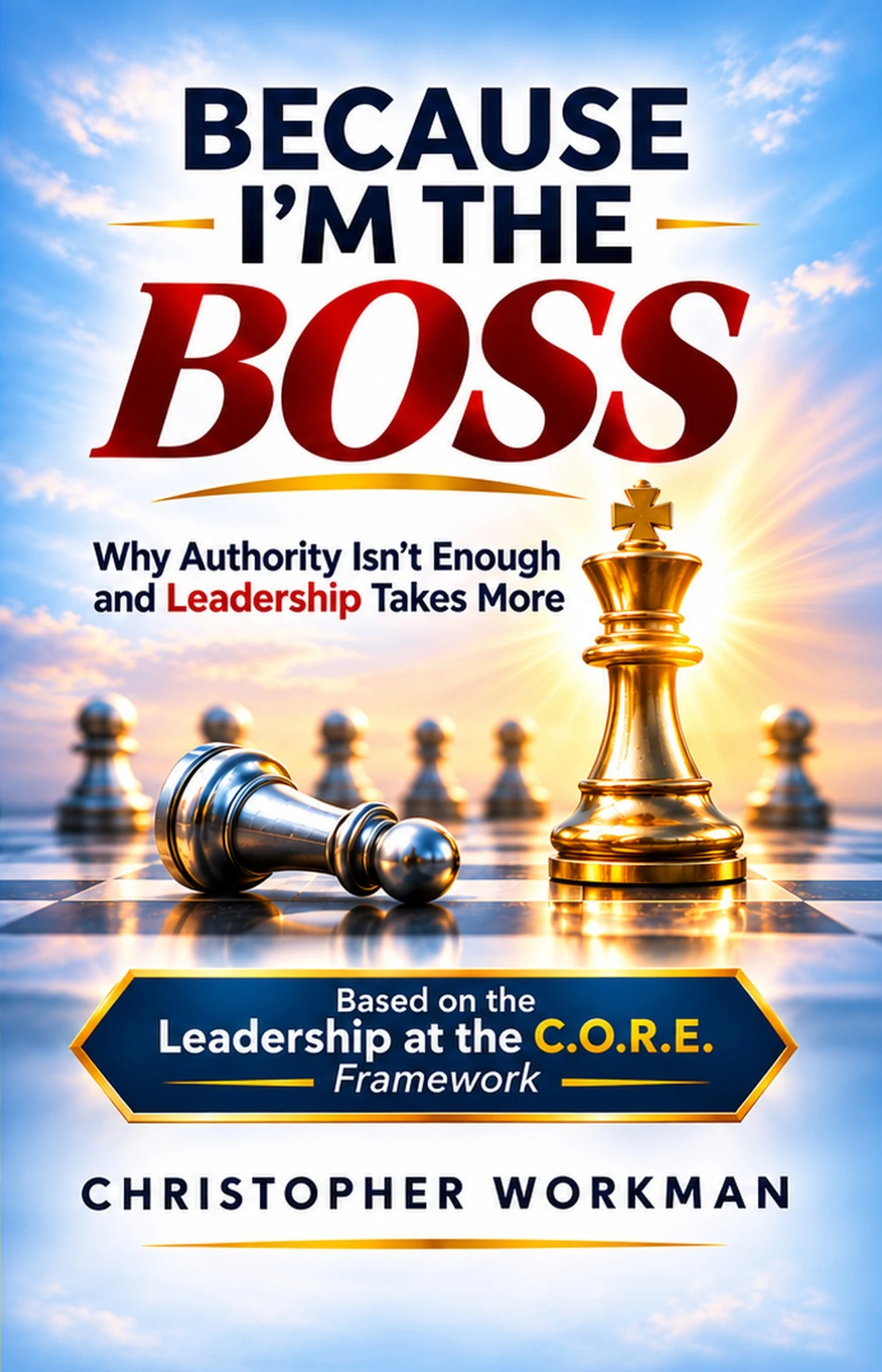
From commanding a room to earning the trust of the people in it, leadership asks more than a rank, a badge, or a place on an organizational chart.
Christopher Workman draws on more than 25 years in law enforcement to reflect on decisions he got right, mistakes he had to own, and the gap between the authority leaders possess and the influence they earn.
Written from public-safety experience, the lessons reach anyone responsible for people.
Four responsibilities that connect the choices leaders make to the culture employees experience.
What becomes normal because of the behavior we tolerate, reward, or challenge.
Accepting responsibility for the conditions we help create instead of passing the blame.
How we listen, make decisions, and handle the conversations we'd rather avoid.
Holding our own behavior to the standard we ask other people to meet.
The book moves through the four parts of the C.O.R.E. framework, using real workplace tensions instead of easy leadership slogans.
When loyalty turns into exclusion and the people beside us become the people we tear down.
Why responsibility for your people can’t be handed off to a policy or a program.
What a leader does after hearing the answer that would be easiest to accept.
Finding the courage to address difficult issues without turning every disagreement into a power struggle.
What happens when leaders expect conduct they aren't willing to model.
A direct invitation to examine the person behind the title and the impact left behind.
Especially those willing to look past the authority of the role and honestly examine how they show up for others.
Test whether the organization’s stated values match the decisions people actually experience.
Handle conflict, accountability, and employee concerns with more intention.
Build habits that earn trust before habits of authority become hard to change.
Apply the same questions about culture, ownership, response, and example to any team.
The Leadership at the C.O.R.E. keynote and workshop turn these conversations into a practical examination of everyday leadership behavior.

Christopher’s earlier book examines the hidden toll of police culture, cumulative stress, and the stigma around asking for help.
Two books. Two connected challenges: what we carry, and what leaders do about it.
Explore Silence Behind the Blue Wall